In today’s digital-first world, professional networking has moved far beyond conferences, hospital corridors, and academic journals. For medical professionals, building and maintaining strong relationships is essential not only for career development but also for patient care and professional collaboration. LinkedIn has emerged as one of the most powerful platforms for physicians, surgeons, consultants, and healthcare specialists to expand their professional networks, share expertise, and generate valuable peer referrals.
Why LinkedIn Matters in Healthcare
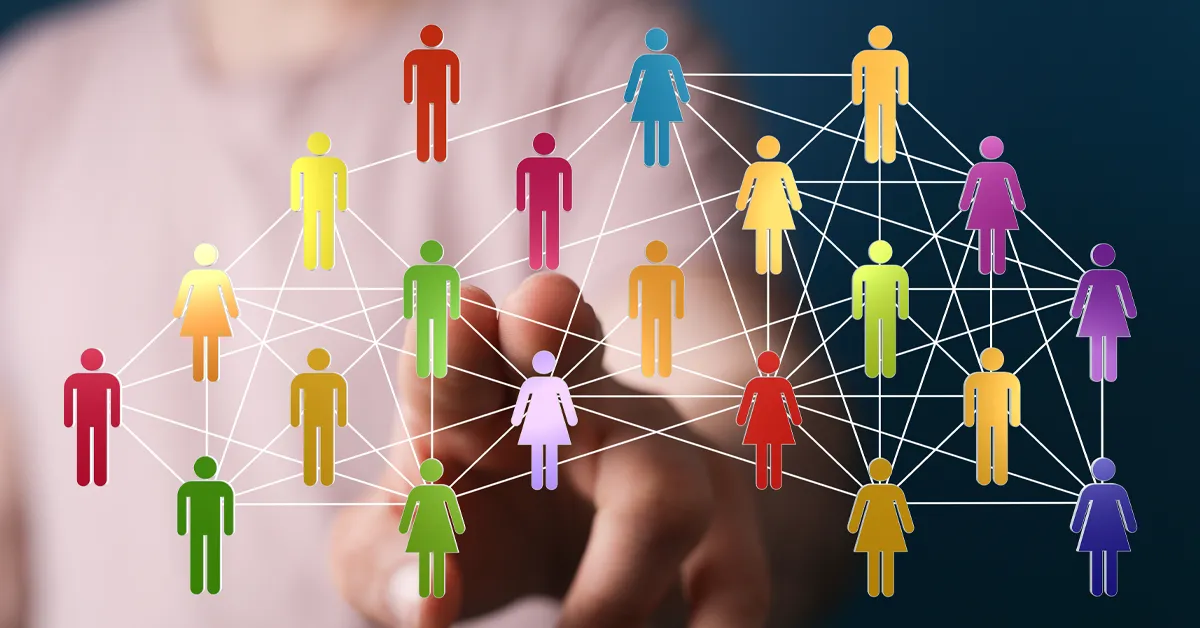
Medicine has always relied heavily on trusted professional networks. Traditionally, referrals and collaborations occurred through personal relationships built during training, hospital affiliations, or professional societies. While these relationships remain important, LinkedIn extends this network globally and keeps professionals connected in real time.
For medical professionals, LinkedIn serves as a digital professional identity. A well-structured profile allows doctors and healthcare specialists to highlight their qualifications, clinical expertise, research interests, and professional achievements. This visibility makes it easier for peers, institutions, and collaborators to understand their specialization and areas of interest.
Unlike other social media platforms, LinkedIn is designed specifically for professional engagement. This makes it an ideal space for discussing healthcare innovations, sharing research findings, participating in clinical discussions, and building credibility within the medical community.
Building Professional Credibility Online
A strong LinkedIn presence helps establish credibility and authority. When physicians share insights about new treatments, research developments, or clinical experiences, they position themselves as thought leaders within their specialties.
Publishing posts, writing articles, or commenting on industry updates demonstrates active engagement in the medical field. Over time, this consistent professional activity builds trust among peers. When colleagues view a profile that showcases expertise, experience, and thoughtful contributions, they are more likely to consider that individual when referring patients or recommending collaborators.
Additionally, LinkedIn allows healthcare professionals to highlight publications, conference presentations, certifications, and affiliations with professional organizations. This comprehensive professional record reinforces credibility and makes it easier for others to verify expertise.
The Role of LinkedIn in Peer Referrals
Referrals are a cornerstone of medical practice. Physicians often rely on trusted colleagues when directing patients to specialists, consultants, or diagnostic services. LinkedIn strengthens this referral ecosystem by making it easier to identify and connect with qualified professionals.
Through LinkedIn’s search and networking features, doctors can quickly find specialists within specific fields, geographic regions, or healthcare institutions. For example, a general practitioner seeking a reliable cardiologist or neurologist can identify potential colleagues, review their professional background, and initiate a connection.
Once relationships are established, LinkedIn becomes a channel for ongoing professional interaction. Regular engagement, such as commenting on posts, sharing insights, or participating in discussions—helps maintain visibility and familiarity. This ongoing interaction reinforces professional trust, which is a key factor when deciding where to send referrals.
Strengthening Professional Relationships
One of LinkedIn’s most valuable features is its ability to maintain relationships over time. Medical professionals often train or work in multiple institutions throughout their careers. LinkedIn helps preserve these connections long after colleagues move to different hospitals, cities, or countries.
By staying connected with former classmates, residency colleagues, and professional contacts, physicians can maintain an extended network of trusted specialists. This network becomes a valuable resource when seeking second opinions, collaborating on research, or referring patients who require specialized care.
LinkedIn groups and professional communities also provide opportunities for medical professionals to interact with peers who share similar interests. These groups can facilitate discussions about clinical challenges, emerging technologies, and healthcare policy, further strengthening professional ties.
Opportunities for Collaboration and Knowledge Sharing
Beyond referrals, LinkedIn encourages collaboration and knowledge exchange within the medical community. Physicians can share research publications, discuss complex cases in appropriate professional contexts, and learn about innovations in medical technology or treatment methods.
Engaging with peers in this way not only enhances professional knowledge but also increases visibility within the network. When professionals consistently contribute meaningful insights, they become recognized as reliable sources of expertise. This recognition naturally leads to increased trust and, in many cases, more referral opportunities.
Best Practices for Medical Professionals on LinkedIn
To maximize the benefits of LinkedIn, medical professionals should approach the platform strategically. A complete and professional profile is the first step. This includes a clear professional photo, a detailed summary of expertise, and accurate information about education, training, and current roles.
Regular activity is also important. Sharing articles, commenting on relevant discussions, and posting professional insights keeps a profile visible and demonstrates engagement with the field.
Equally important is maintaining professionalism and adhering to patient confidentiality and ethical guidelines. Discussions should focus on education, research, and general insights rather than identifiable patient information.
The Future of Professional Networking in Healthcare
As healthcare becomes increasingly interconnected and digital, platforms like LinkedIn will continue to play a growing role in professional networking. For medical professionals, maintaining an active presence on the platform is not just about personal branding, it is about strengthening the network of trust that underpins effective healthcare delivery.
By using LinkedIn thoughtfully, physicians can expand their professional reach, foster meaningful relationships with peers, and create a reliable referral network that ultimately benefits both practitioners and patients.
Personal profile vs Company profile:
It is also important to understand the difference between a personal LinkedIn profile and a company page. A personal profile represents an individual professional and is where networking, conversations, and direct connections take place. A company page, on the other hand, represents an organisation such as a clinic, medical practice, hospital department, or healthcare service. Company pages are designed to share updates, highlight services, promote expertise, and build brand credibility within the healthcare sector.
Medical professionals who manage or are affiliated with a clinic or organisation can strengthen their company page by inviting their personal connections to follow it. This simple step helps expand the page’s reach and ensures that updates, insights, and announcements are seen by a wider professional audience. As more colleagues and connections follow the page, it can become an effective platform for sharing knowledge, demonstrating expertise, and reinforcing referral relationships within the professional network.
Conclusion
LinkedIn has evolved into an essential networking tool for medical professionals. It offers a powerful way to build credibility, stay connected with colleagues, and develop trusted referral relationships across the healthcare industry.
When used strategically, the platform can enhance collaboration, increase professional visibility, and support the exchange of knowledge within the medical community. In a profession where trust, expertise, and collaboration are paramount, LinkedIn provides a modern extension of the traditional medical network, one that enables professionals to connect, collaborate, and refer with greater ease and confidence.: responsibly, transparently, and in service of better outcomes for our clients. No glowing red eyes and no robot uprising.
EMAIL: INFO@PHASTMEDIA.COM | PHONE: +44 (0) 1494 431 258